
Sunday night is when a week of healthy lunches for work sounds easy. You buy the vegetables, picture five neat containers in the fridge and tell yourself this time you will stick to it. Then Wednesday runs late. The rice is gone, the salad looks tired and the lunch you planned is still on the kitchen bench.
After five seasons producing The Biggest Loser, I stopped believing willpower is the whole story. Most of the time, the easier option wins. So this guide makes the good option easier. You will cook a small batch of food on Sunday, turn it into five different lunches and leave yourself a way out for the day it all goes sideways.
Why Sunday Prep Saves Your Week
Sunday prep works best when it removes decisions. If you can open the fridge on Monday morning and see cooked chicken, washed vegetables and something to put them in, lunch is mostly sorted. That beats a complicated recipe you only want to eat once.
Put a tray of chicken thighs or firm tofu in the oven with olive oil and your choice of seasoning. Cook a pot of rice. Roast a tray of pumpkin, capsicum and red onion. While those cook, wash cucumber and tomatoes, boil a few eggs and mix a quick yoghurt sauce with lemon and herbs. You are making ingredients, and you will assemble the meals later.
Make a second sauce if you can: peanut butter whisked with lime juice and a little water, or a jar of salsa from the shop. A new sauce changes leftovers faster than another hour of cooking. Keep sauces in separate containers so lunches stay fresh. If you use peanut sauce in a shared office, check for allergies and label it clearly.
Nobody hands out prizes for doing everything from scratch. Microwave rice, tinned beans, bagged salad, frozen vegetables and a bought dip all belong in this plan. If Sunday is busy, cook the protein and buy the rest ready to use. If Sunday disappears altogether, make one lunch the night before and reset from there.
Before you shop, check what you already have. A packet of wraps, half a tub of yoghurt or leftover vegetables can change the plan for the better.
How to keep packed lunches safe until lunchtime
The Sunday batch needs a storage plan as much as a shopping list. Put cooked food into shallow, clean containers and refrigerate it promptly rather than leaving a pot on the bench. Keep raw and cooked ingredients apart, and check the use-by dates and storage directions on the packs you bought. Wash your hands and utensils before assembling lunch.
Cooked rice deserves particular care. Cool it promptly, get it into the fridge and do not leave a rice bowl sitting warm on your desk all morning. If a portion is meant for later in the week, freeze it soon after cooking rather than hoping it will last until Friday. Thaw frozen lunches in the fridge and reheat thoroughly if you plan to eat them hot.
No fridge at work? Carry chilled food in an insulated bag with a frozen ice pack, and keep the bag out of the sun. If you cannot keep it cold until lunch, pack a shelf-stable option instead, such as an unopened tin of beans with crackers and a piece of fruit. Open the tin when you are ready to eat. A wilted salad is disappointing. Food that has sat warm for hours is a different problem, so skip it.
A Five-Day Lunch Plan That Doesn’t Get Boring
Here is a plan you can shop from, without learning five separate lunch recipes for work. The same Sunday prep becomes a rice bowl, a wrap, a noodle lunch, a loaded potato and a Friday box built from whatever is left. The base, protein and sauce change each day, so the meal still feels worth opening.
What to put on the shopping list
For one person, start with enough chicken thighs or firm tofu for a few lunches, a tin or two of chickpeas or beans and a small carton of eggs. Add rice, wholemeal wraps, quick-cooking noodles and a couple of potatoes or sweet potatoes. For vegetables, grab pumpkin, capsicum, red onion, cucumber, tomatoes, carrots, leafy greens and a bag of frozen edamame or peas. Swap freely for what is in season and what you will actually eat.
For flavour, pick up plain yoghurt, a lemon, herbs, peanut butter, a lime, salsa and hummus. Add fruit and a snack you enjoy, especially if your lunch break moves around. Buy amounts that suit your appetite, not an imaginary meal-prep photo.
On Sunday, cook the protein, rice and roast vegetables. Boil the eggs, wash the raw vegetables and mix the yoghurt sauce. Freeze any cooked portion meant for late in the week. Leave the wraps, greens and crunchy vegetables unassembled. Soggy Wednesday wraps are a poor reward for being organised.
Monday: lemon and herb rice bowl
Pack rice, chicken or tofu, roasted pumpkin and capsicum. Bring the yoghurt sauce separately and spoon it on after reheating. Add cucumber for crunch. If you eat it cold, make sure the rice was cooled quickly after cooking and kept in the fridge. It is the straightforward lunch that makes Monday morning easy, and it uses the cooked food while it is at its best.
Tuesday: chickpea and roast vegetable wrap
Spread hummus on a wrap. Add drained chickpeas, leftover roast vegetables, greens and a squeeze of lemon. Roll it at work, or pack the filling separately so it does not go soft on the commute. Bring a carrot to slice for extra bite. It tastes nothing like Monday, and you did no extra cooking.
One wrap may be enough for you. It may not. Pack a second, or add fruit and yoghurt, if you know a light lunch leaves you hunting for food at three o’clock. Plenty of easy lunches for work look great in a recipe and still leave the person eating them hungry.
Wednesday: noodles with peanut-lime dressing
Cook the noodles as the packet says, cool them and pack them with sliced cucumber, carrot and tofu or chicken. Add thawed edamame or peas. Stir the peanut-lime sauce through at lunch, so the noodles are not sitting in dressing for days. If peanuts are off the table, use the yoghurt sauce instead.
Wednesday is usually when good intentions start to fray. Chop the vegetables on Tuesday night if you have ten spare minutes, or use bagged slaw. You want a lunch you look forward to, and Wednesday night is a bad time to prove you can cook.
Thursday: loaded potato with beans and yoghurt
Microwave a potato or sweet potato at home or at work. Split it open and add warmed beans, a spoonful of salsa and the last of the yoghurt sauce, with tomatoes or greens on the side. No office microwave? Cook the potato ahead and pack a cold bean, potato and vegetable bowl instead.
Rice and noodles have done their jobs, so now a potato carries lunch. It is also where that tin of beans earns its place in the trolley.
Friday: the choose-your-own lunch box
Use the portion you froze on Sunday, thawed overnight in the fridge, or build a box from what is still good: a boiled egg, hummus, raw vegetables, a wrap and fruit. If the frozen portion is chicken, put it in a fresh wrap with greens and salsa. If it is tofu and rice, make a warm bowl with the last of the vegetables. Do not eat something just because it is there. When in doubt, throw it out.
Friday can also be your bought-lunch day. A plan with a little choice built in is easier to come back to next Sunday than one that makes you feel you broke a rule.
Notice the pattern. Each day starts with a base, adds a protein and something colourful, then gets its own flavour. Once you see it, you can make up your own lunch ideas for work. Use couscous instead of rice, lentils instead of chickpeas or a boiled egg instead of chicken. Healthy meals for lunch at work come from a few reliable combinations you enjoy, and you can rotate them for months.
How to make the week work on a budget
Start the shopping list in your kitchen. Check the rice, wraps, tins and frozen vegetables you already have, then buy only the gaps. A batch of beans or chickpeas can stretch a smaller pack of chicken across more lunches; tofu or eggs can take its place if you prefer them. Choose vegetables that appear in more than one meal so half a capsicum does not end up forgotten at the back of the fridge.
You do not need every sauce on the list. Pick one you already like and use lemon, herbs or salsa to change the flavour. Buying a large tub of yoghurt or a bag of greens only saves money if you will finish it. If you are cooking for one, make fewer portions, freeze the spare protein and shop again midweek for the fresh bits. Let the plan follow your appetite. The supermarket packet can wait.
Pack for your appetite and your workplace
A lunch you will eat needs to suit the day ahead. If you will be away from a microwave, choose a wrap or a cold bean bowl instead of packing a meal that only tastes good hot. A container with a tight lid works for bowls; a small separate pot keeps sauce off the greens until lunchtime. Take a fork, too. It sounds obvious until you are eating noodles with a teaspoon.
Treat the five lunches as a pattern you can bend. For a vegetarian week, use tofu, beans and eggs instead of chicken, and check your sauces if you avoid animal products entirely. For a gluten-free lunch, choose a suitable base and check the labels on wraps, noodles and dressings. If someone at work has a nut allergy, skip the peanut sauce and keep ingredients clearly labelled. For any other dietary requirement, read the packaging and swap the parts that do not work for you. You want to leave Sunday with lunches you can actually eat.
Staying on Track When The Week Doesn’t Go To Plan
Lunch gets forgotten. Meetings run over. Somebody hogs the office microwave for half your break. A good plan has to survive ordinary workdays, including the ones where you walk in empty-handed.
Keep a small backup kit at your desk: crackers, tinned fish or beans, and a fork. Keep fruit or yoghurt in the office fridge if that is practical, and label it. Check use-by dates now and then, because a desk drawer is not a pantry. If your lunch break vanishes, a simple snack can tide you over until you get a proper meal.
When you do buy lunch, choose something you will enjoy and that will fill you up. A sandwich with a filling you like, a rice bowl from down the street or last night’s leftovers all count. Skip the guilt. Eat, and get on with your afternoon.
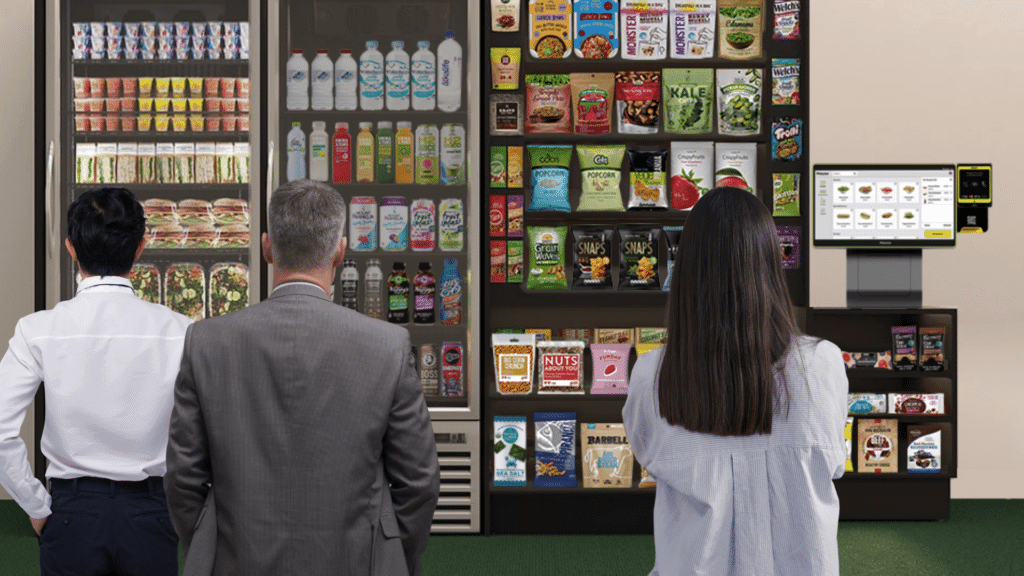
At Gnibl, I keep coming back to one question: what can someone actually reach for when their plan falls over? That is why our range is curated with Jenn, an Accredited Practising Dietitian. If your workplace has one of our machines, you can browse the snacks and drinks we stock and choose what suits the moment. It gives you healthy food for lunch at work, or at least a decent stopgap, on the day your packed lunch stayed at home. A vending snack will not replace every packed lunch, and it does not need to.
If you are the person who looks after the office, access matters too. A fridge full of good intentions at home does not help someone stuck between meetings. Our healthy office vending machines put better choices within reach at work. They are free for businesses to host, with no lock-in contract and a free 60-day trial.
Next Sunday, notice which lunch you looked forward to and which one came home untouched. Keep the favourite. Change the other. Each week tells you a bit more about what works.
Questions about prepping a week of office lunches
Can I prep all five office lunches on Sunday?
You can prep the ingredients for five lunches on Sunday, but it is sensible to freeze portions intended for later in the week. Keep wraps, leafy greens and sauces separate until you eat them. Assemble a fresh lunch the night before when you can, especially if it contains ingredients that go soggy quickly.
How do I take lunch to work if there is no fridge?
Carry chilled lunch in an insulated bag with a frozen ice pack, and keep it out of direct sun until you eat. If you cannot keep perishable food cold, choose an unopened shelf-stable option and add fresh ingredients when you are ready to eat. Do not leave cooked rice, meat, eggs or yoghurt at room temperature through a long commute and morning.
What are easy lunches for work without a microwave?
A chickpea wrap, a cold noodle salad or a bean and roast vegetable bowl can be eaten without reheating. Pack dressing separately so the texture holds up. If you prepared the ingredients earlier, assemble the wrap or bowl the night before and keep it chilled until lunch.
How do I stop meal-prepped lunches getting boring?
Change the base and the sauce. Keep the Sunday cooking routine the same. Roast vegetables can go into rice on Monday, a wrap on Tuesday and a potato bowl later in the week. Keep one lunch flexible so you can use what is left or buy lunch when you feel like it.
What should I pack for lunch if I have dietary requirements?
Keep the base, protein and vegetables flexible, and check labels on sauces and packaged foods. Beans, tofu and eggs are useful alternatives to chicken for many people; a suitable wrap or grain can replace wheat. If you have an allergy, check every ingredient and avoid cross-contact during prep and at work.
Make next week’s lunches a little easier
Healthy lunches for work get easier once you stop chasing a perfect week. Pick two lunches you know you will eat, cook a few ingredients on Sunday and leave the rest open. Maybe Friday is a bought-lunch day. That still counts as a plan. And if the office could do with more useful food options when packed lunch is not possible, have a chat with the Gnibl team. We would be glad to help.